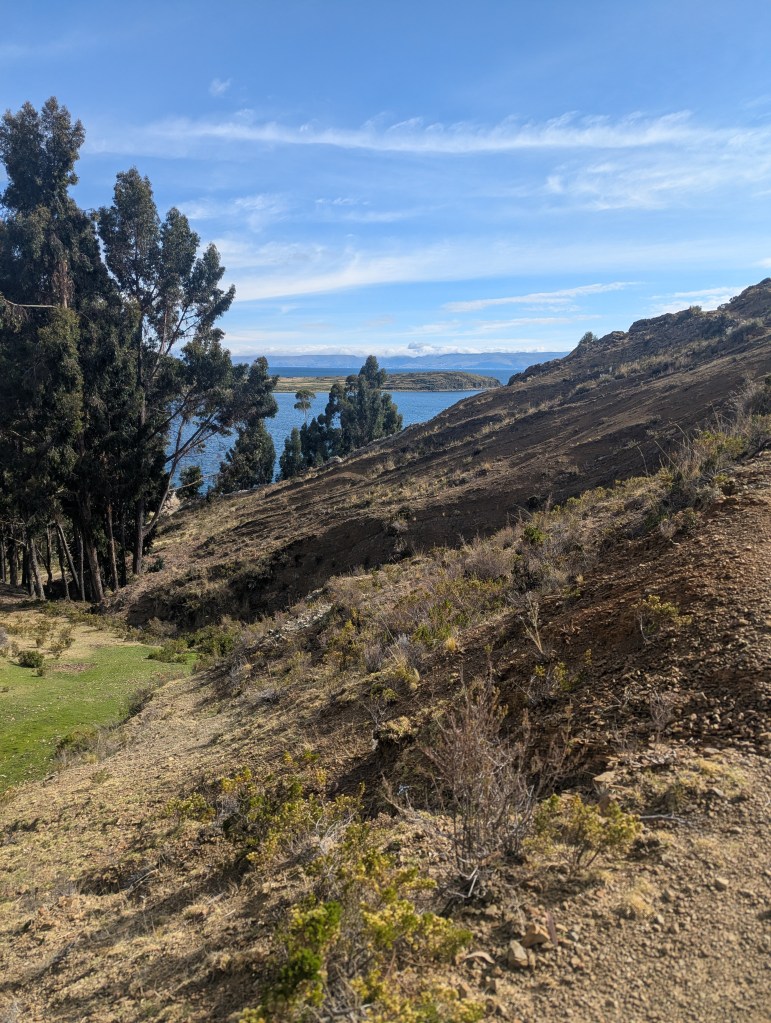
From Puno we headed to Bolivia.
Our first stop was Copacabana (not that one) on the Southern coast of Lake Titicaca. It is a sleepy town, with a large playa and lots of small restaurants and bars. It was the perfect place to completely relax.
A real highlight was joining a roaming band of musicians from La Paz as they played live in a small bar. They told us about life on Lake Titicaca, including some claims that they were descendants of amphibians.
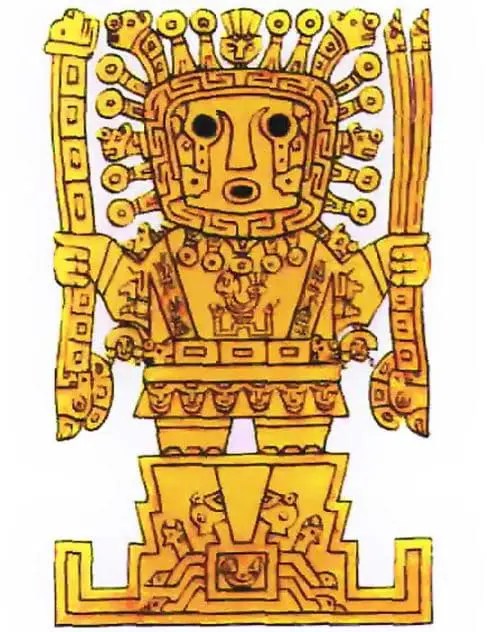
The Incas believed that Manco Cápac, the first Inca ruler, emerged from the sacred rock Titi Qala on Isla del Sol, marking the start of the Inca dynasty. The pre-Incan civilisations believed that the creator God Viracocha/Wiraqocha was born from the depths of the lake, bringing life to the sun god Inti, the moon, and the stars.
It was the birthplace of the Sun (El Isla Del Sol) that we moved to next.
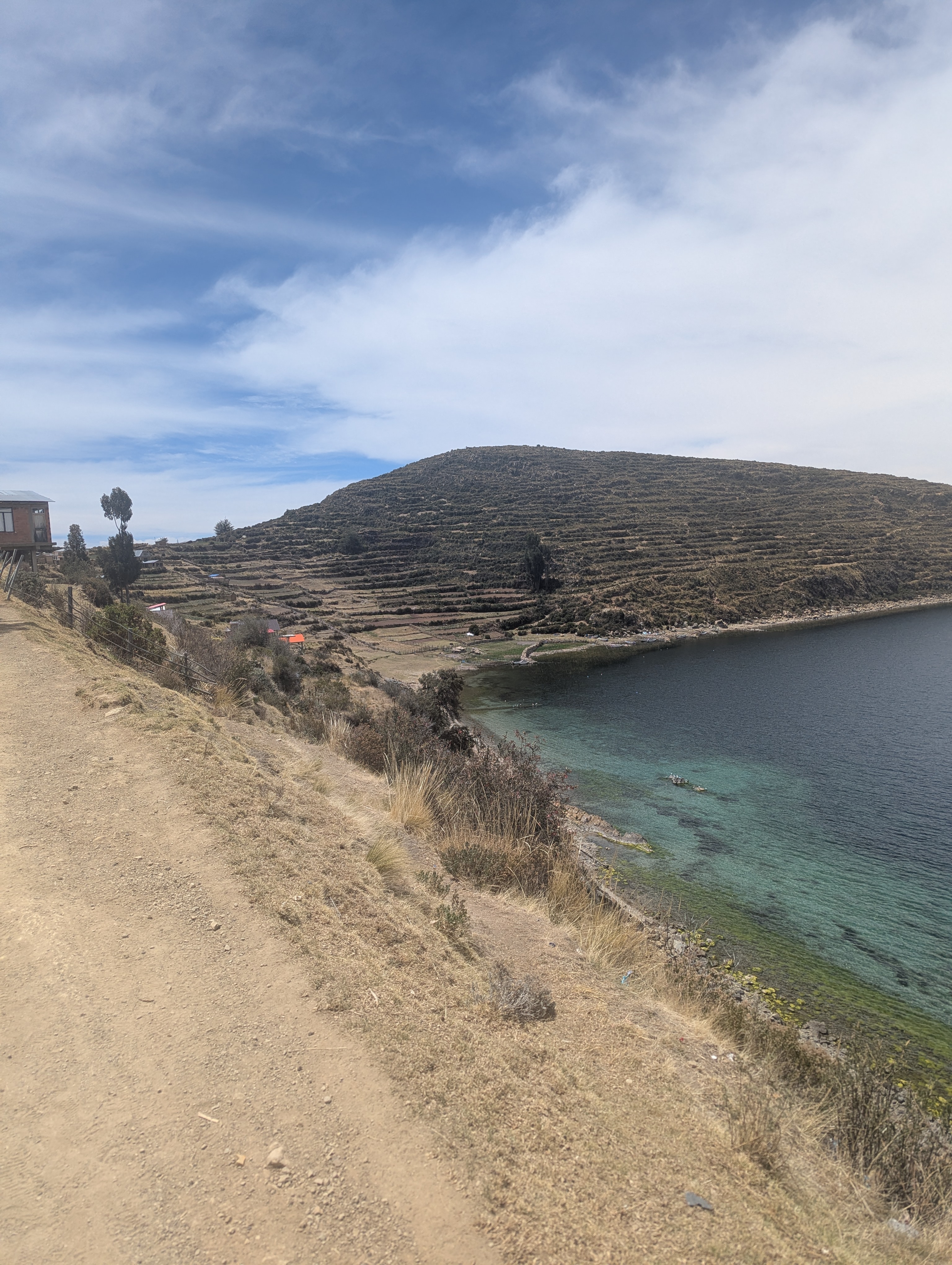
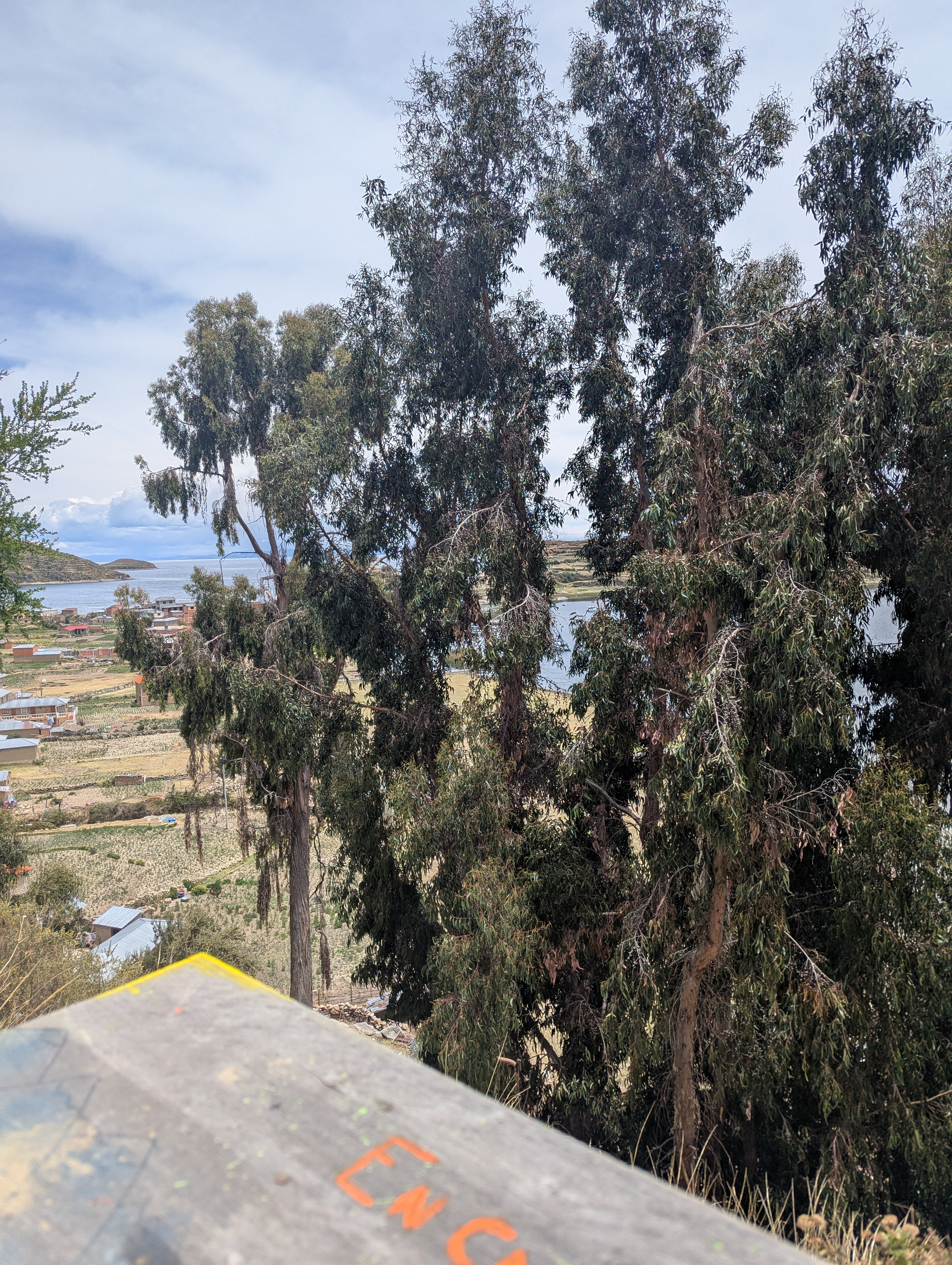
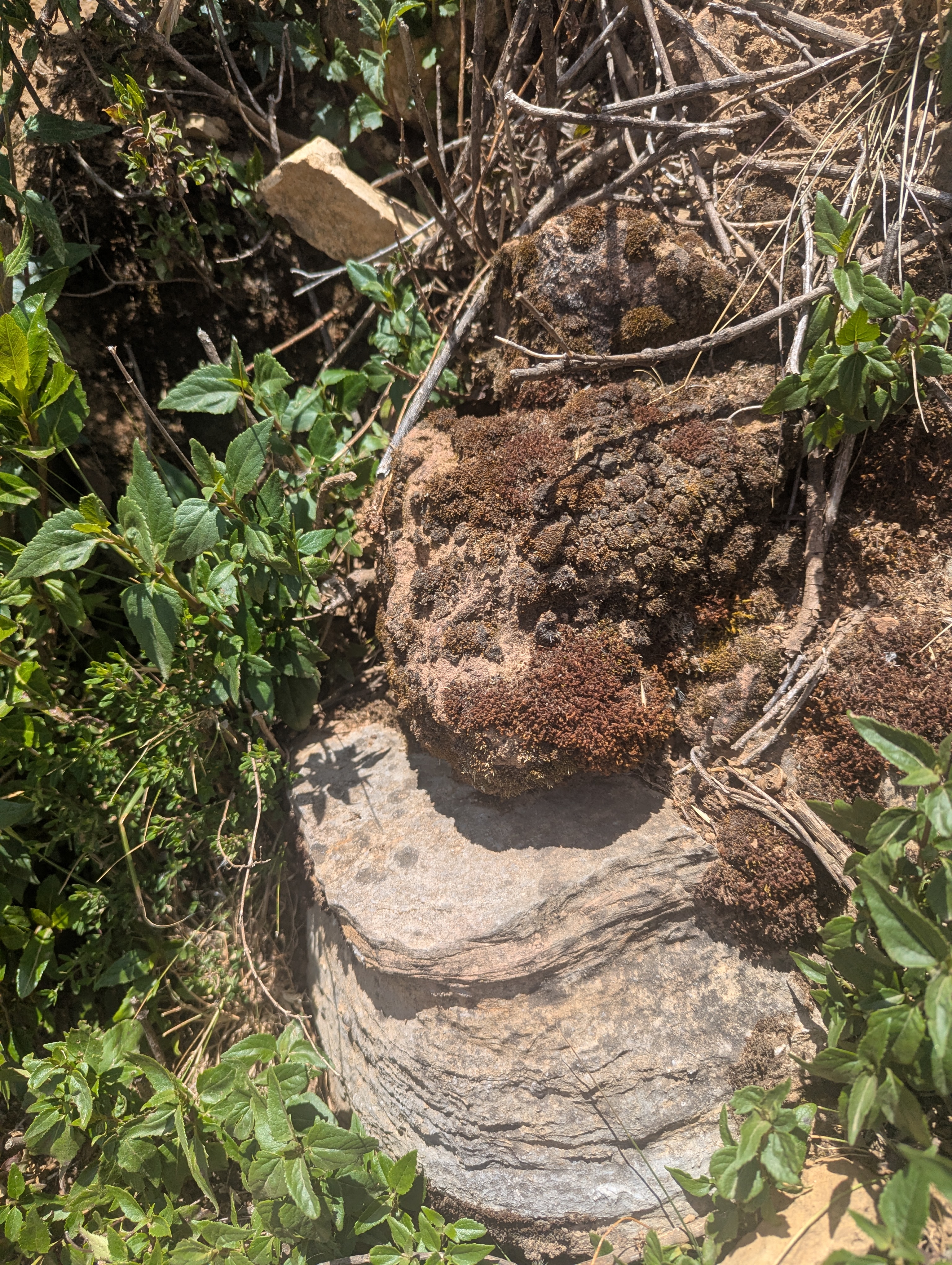
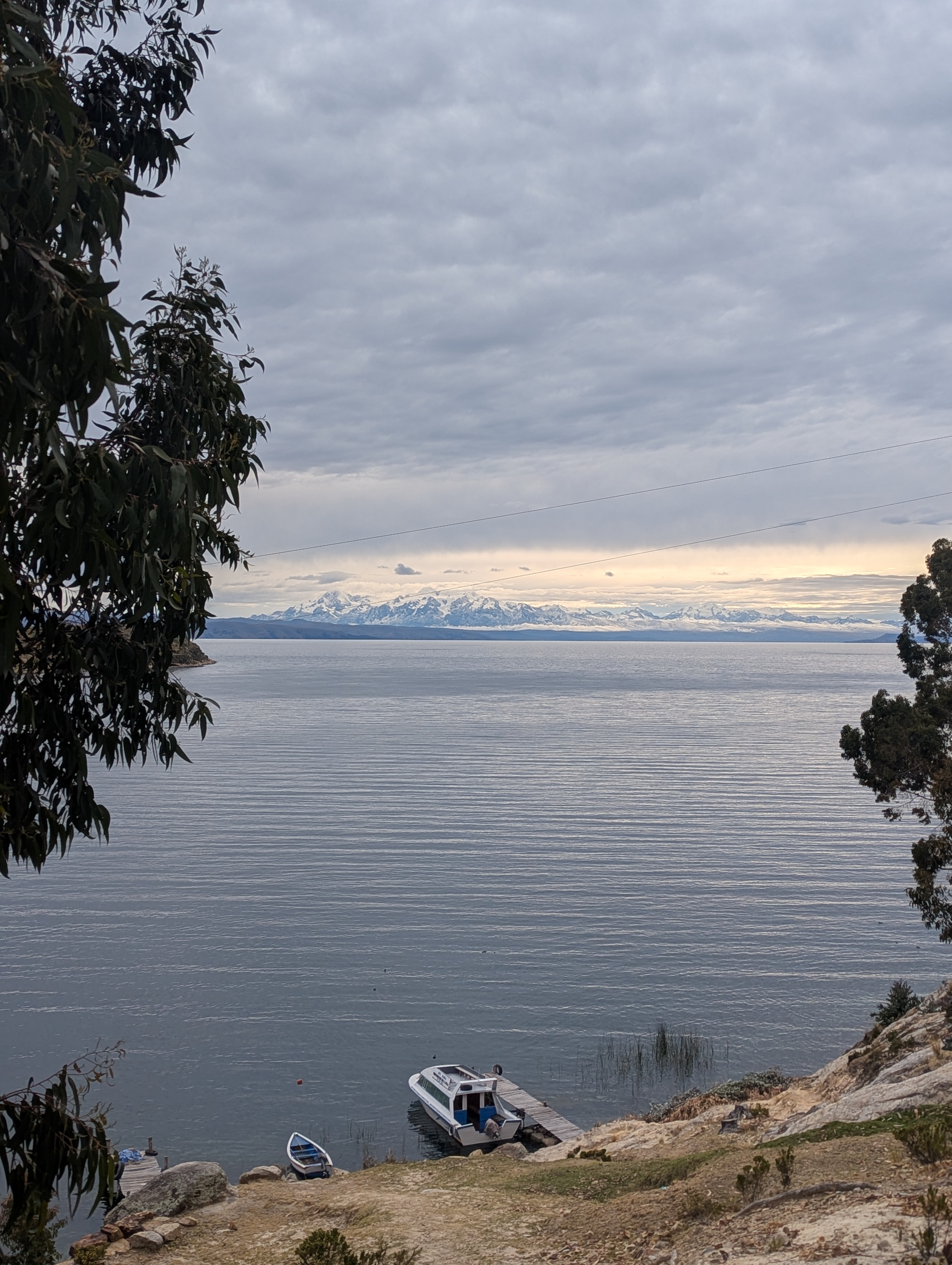
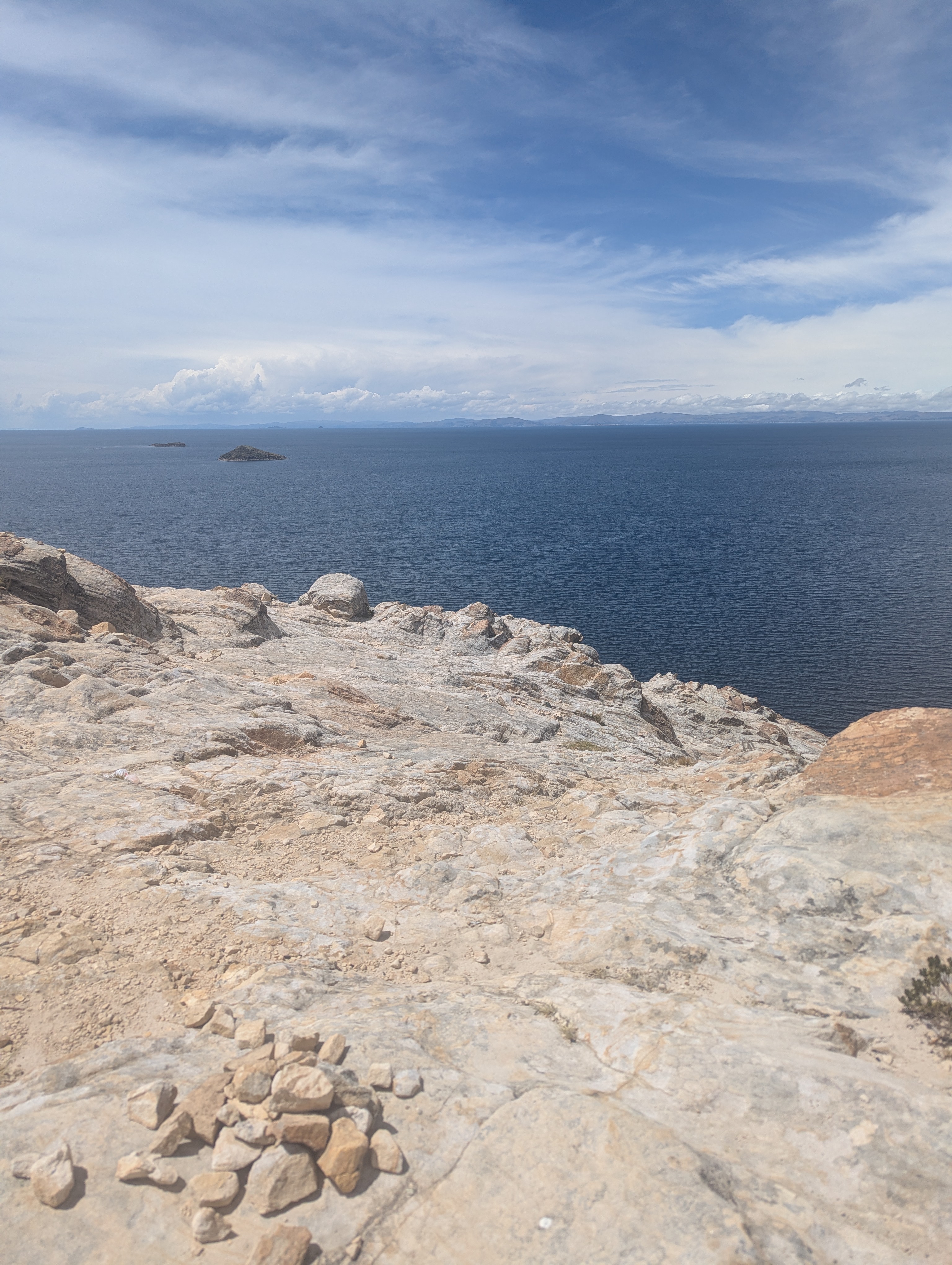
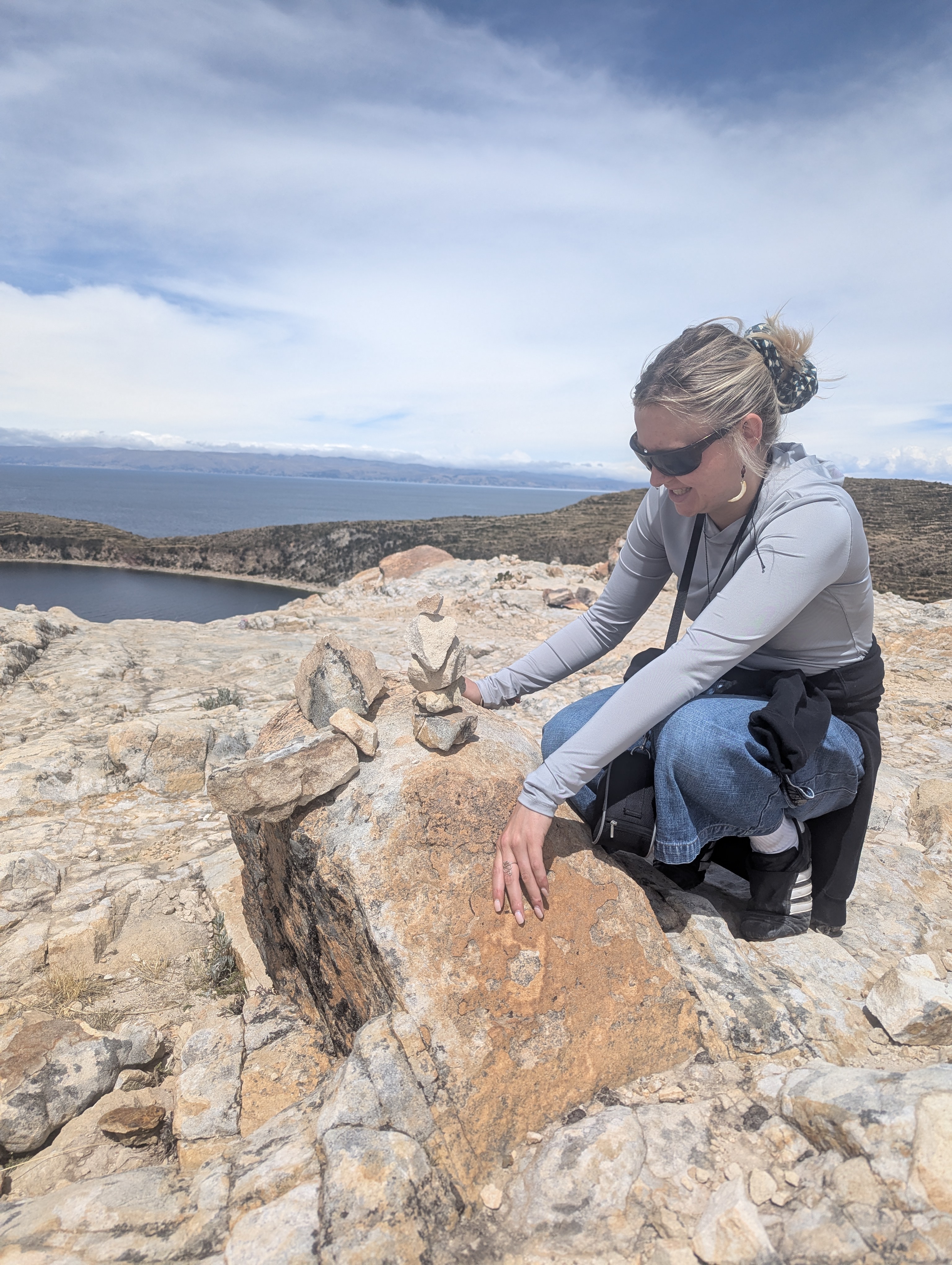
Reviews of the island said that it was popular with tourists and we braced ourselves for a busy, bustling island (though we did book a hut in the North of the island, apparently less touristy). We need not have worried. The island is quiet, inhabited by three distinct indigenous communities: Challapamba in the North; Challa in the centre; and Yumani in the South). There are no cars; no motorbikes; no horses. The silence is only interrupted by the occasional donkey, pig, chicken, or bird of prey.
This is not a ‘here are the indigenous people, take a photo, buy a sourvenir, uncomfortable/exploitative situation’… rather life on the island continues as normal, of course supported by a small contribution by tourists on arrival, but by no means a tourist ‘feature’.
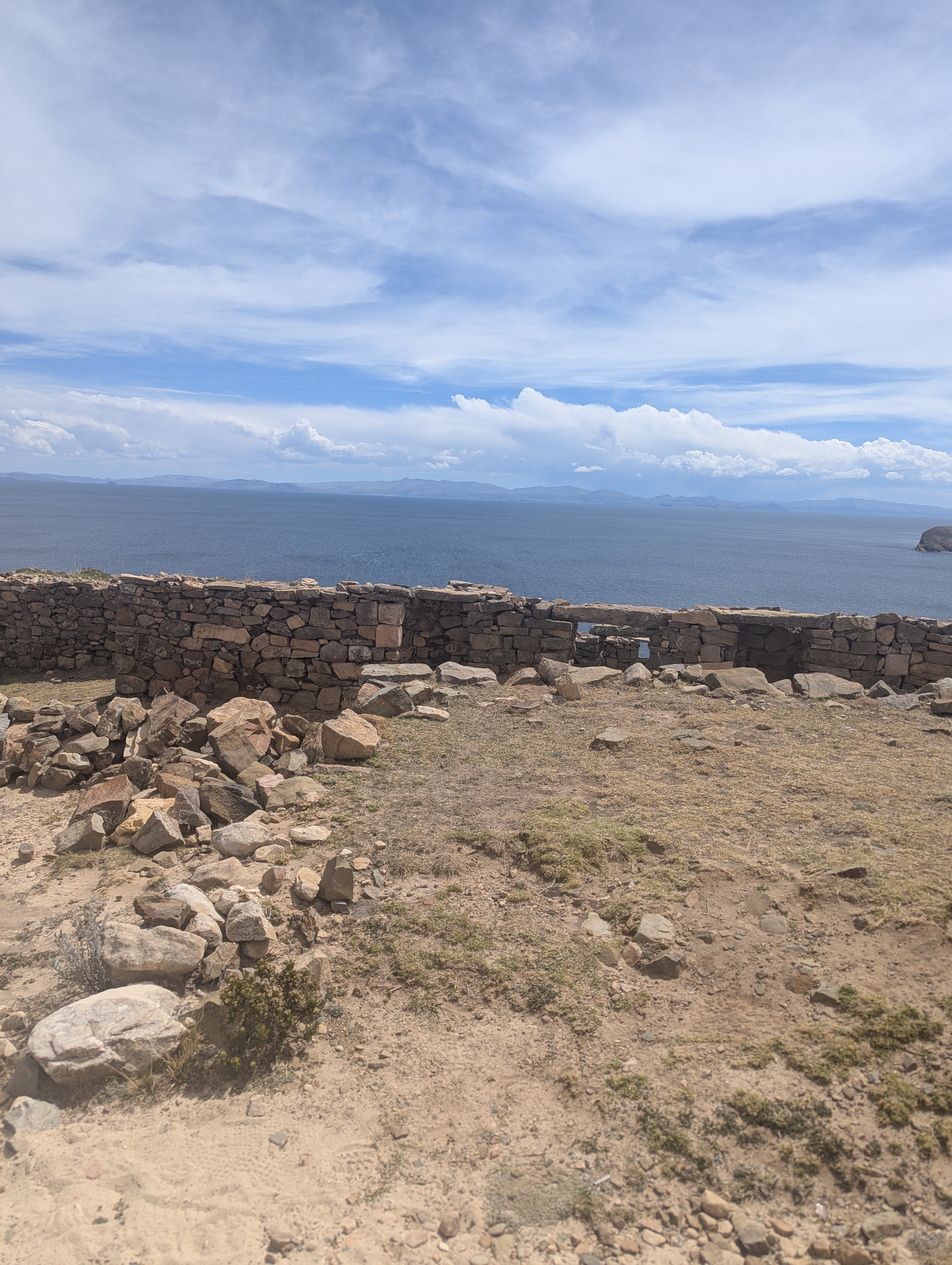
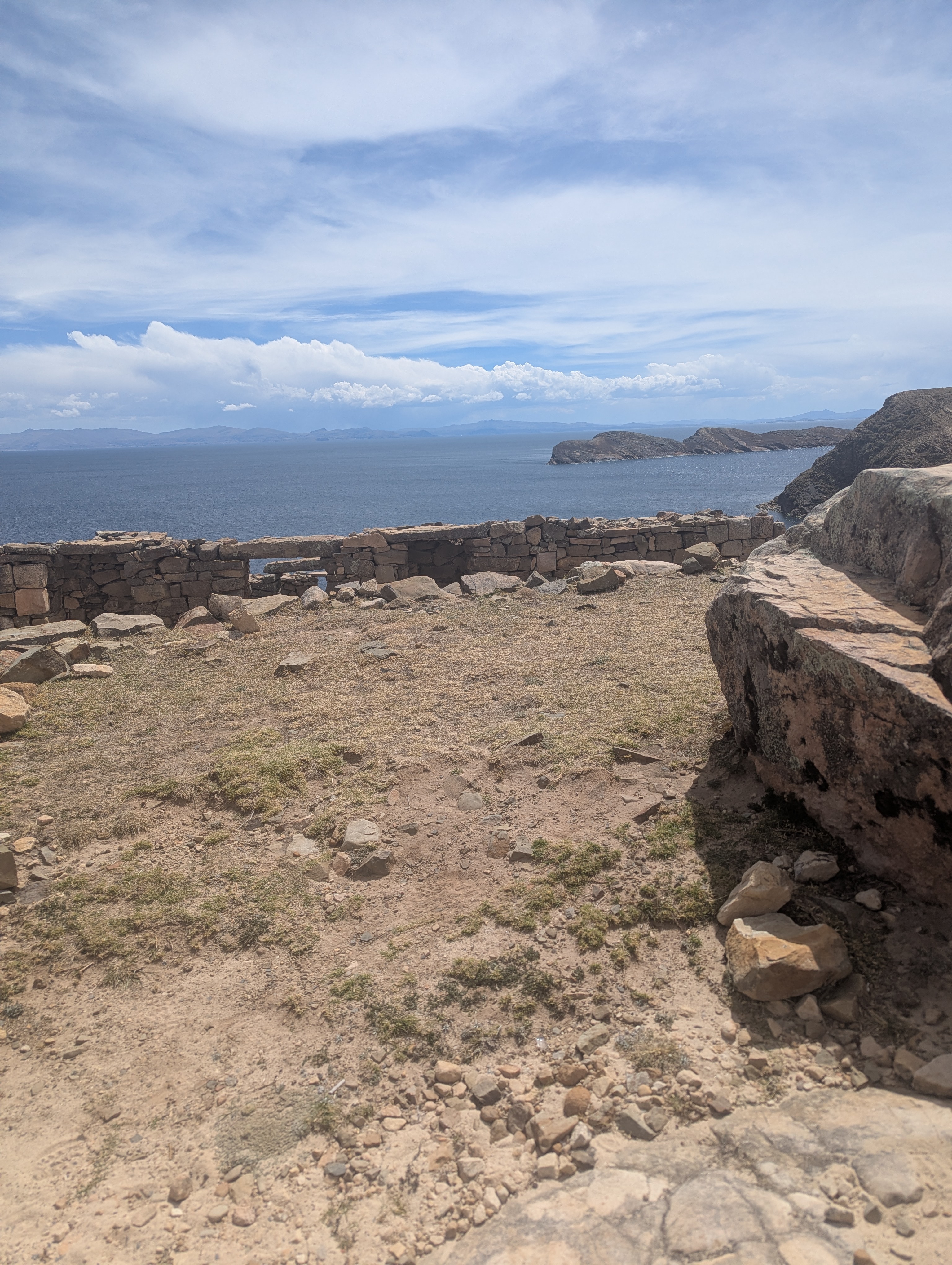
The island is mainly agricultural, with a few small hostels and restaurants. Littered throughout are ancient Inca and pre-Inca sites.
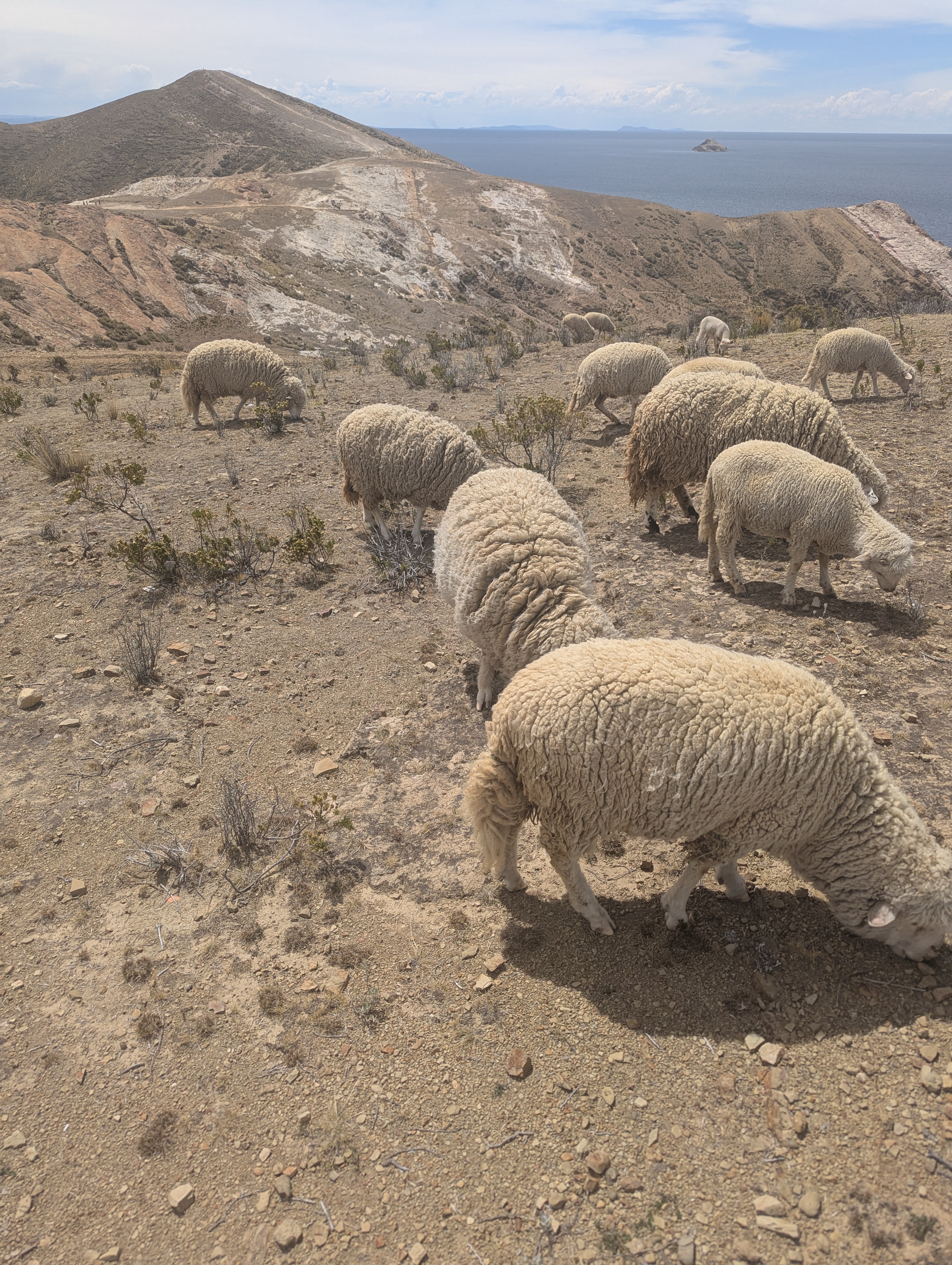
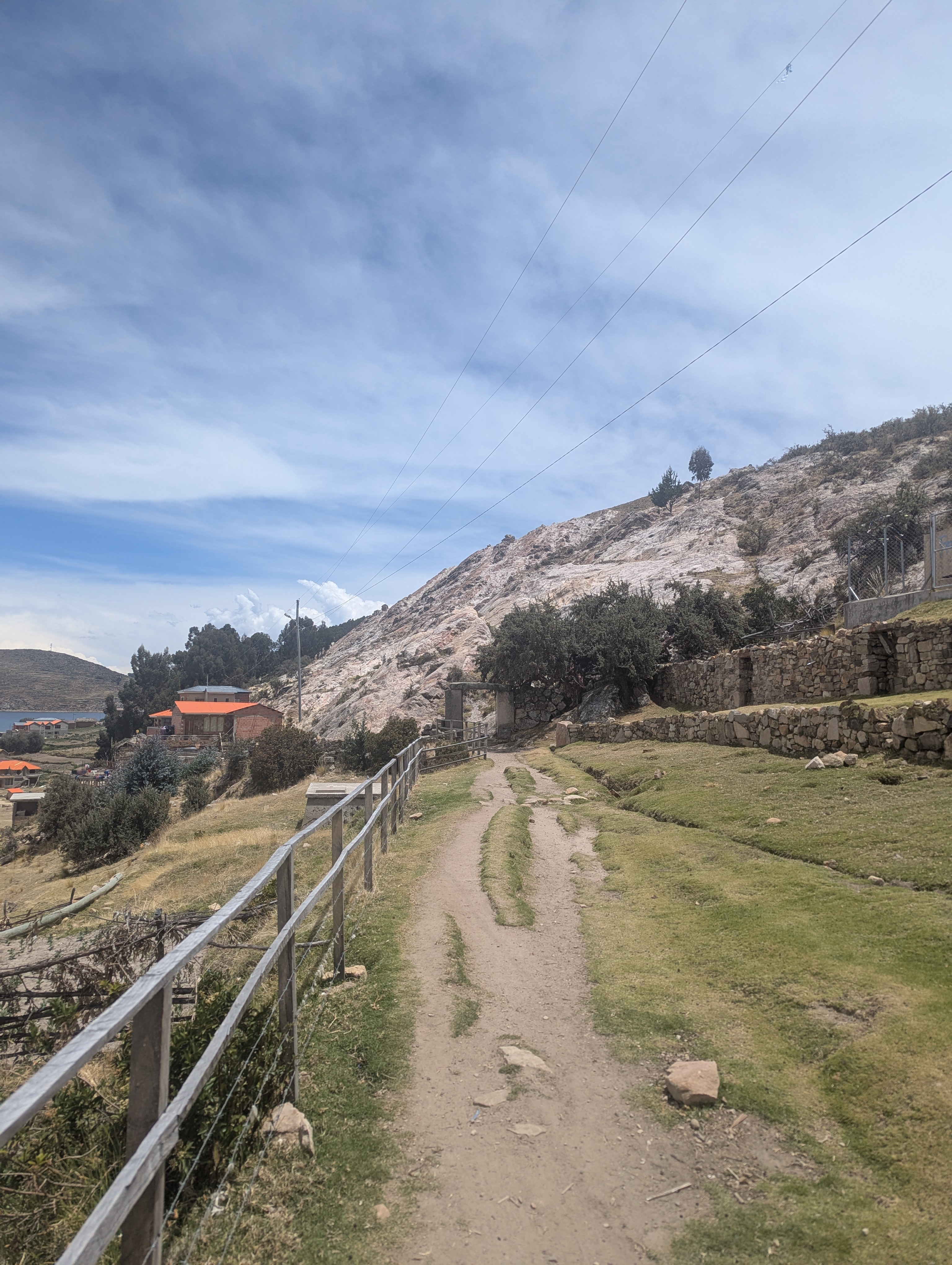
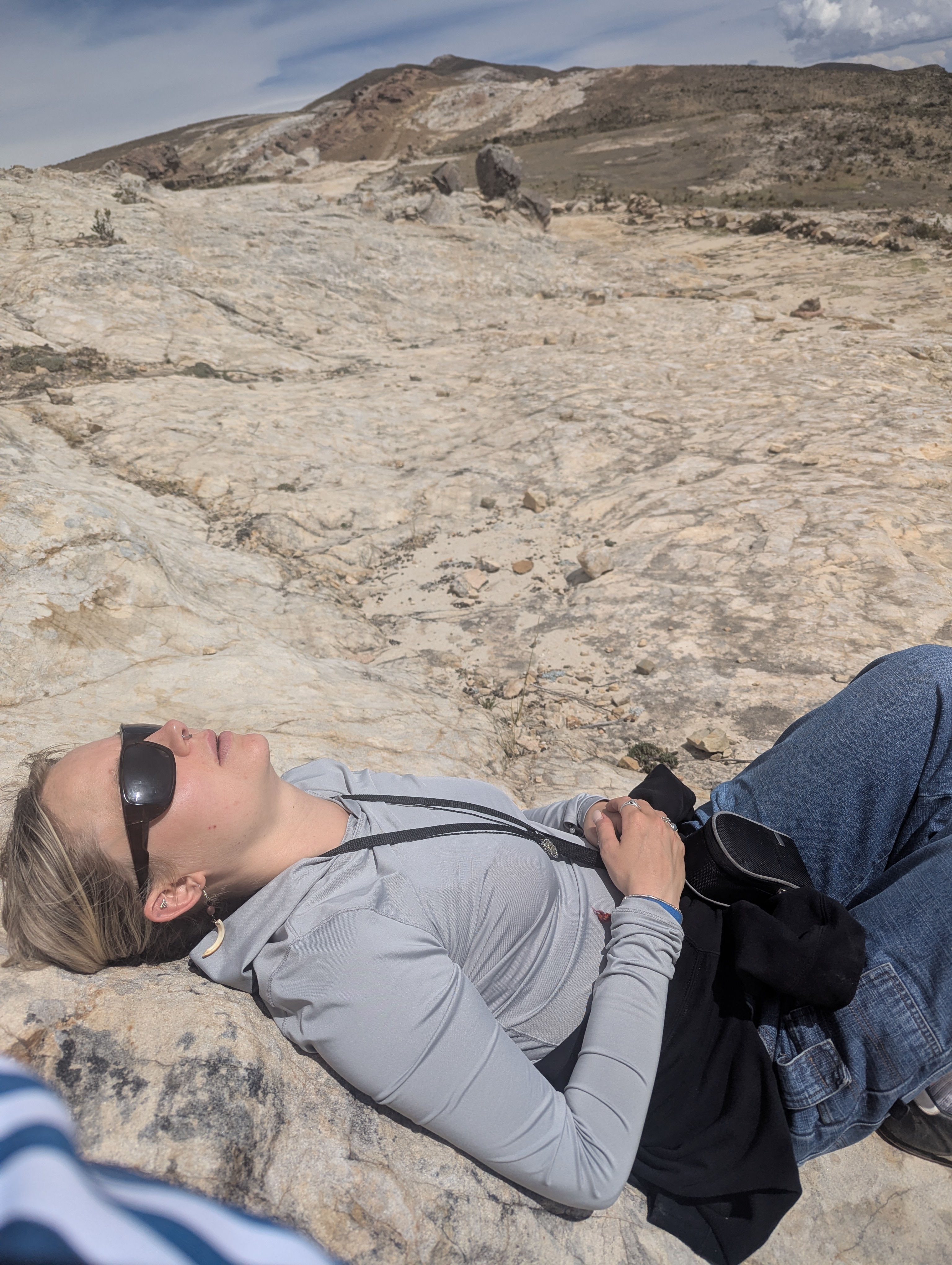
The sun and light play an important and powerful role on the island. Despite being only 14 degrees on average, the altitude, lack of shelter, and reflective power of the lake means that 20 minutes of exposure leads to severe burning (as these two authors can attest). It’s easy to imagine how the ancient civilisations associated the island with the power of the sun. It can be felt, walking through the central artery road.
 El Hablador
Leave a comment