I: Before
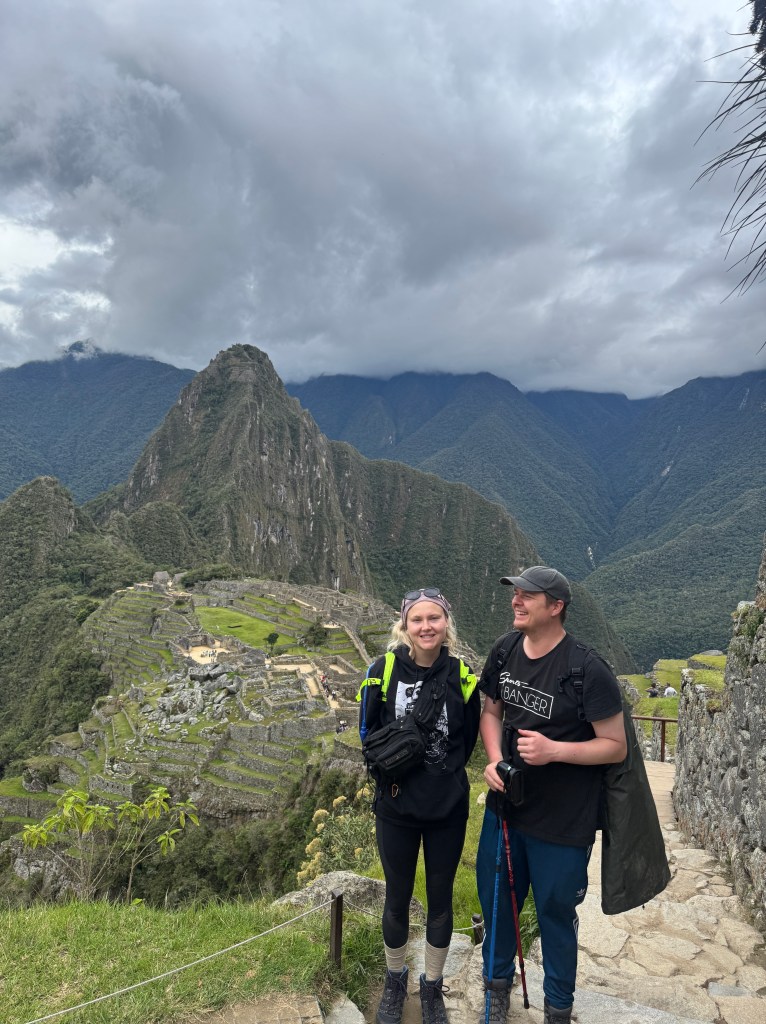
When I was younger, I cut out photos of sportsmen (this was the early 2000s) and stuck them in an exercise book. In amongst cricketers, footballers and rugby players were two unusual photos. The first was a 5* hotel in Bali (or Bora Bora; or the Maldives – I don’t remember). The second was an old photo of Machu Picchu, the best-known Inca site, a few hours North of Cusco. I remember being intrigued by the place: mechanically restored, yet ‘untouched’ by the Spanish; seemingly so sophisticated and complex, yet so different from the cathedrals – built around the same time – of Europe we traipse through on city breaks; the mountain towering above the citadel (or temple depending on who you ask), framing a travellers picture seen on the Instagram of everyone who visits.
On this trip, we had the opportunity to visit one of the Wonders of the World, by foot, via a 4-day hike. What follows is my reflections on both the endpoint and the journey…
II: The Trail
The trail started at four in the morning. Our car wound through the narrow, VW-beetle-filled streets of San Blas, taking two hours to reach Ollantaytambo. In this old Incan stronghold, we had Coca Tea and pan con palta – as we have done virtually every day of our stay in the Andes.
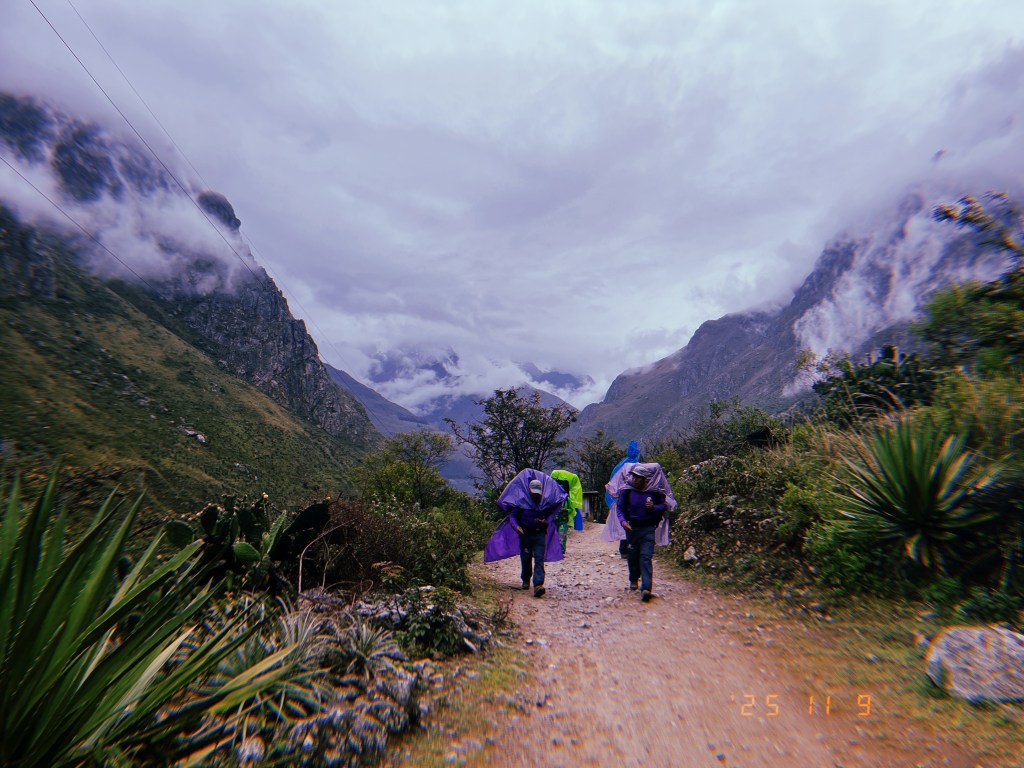
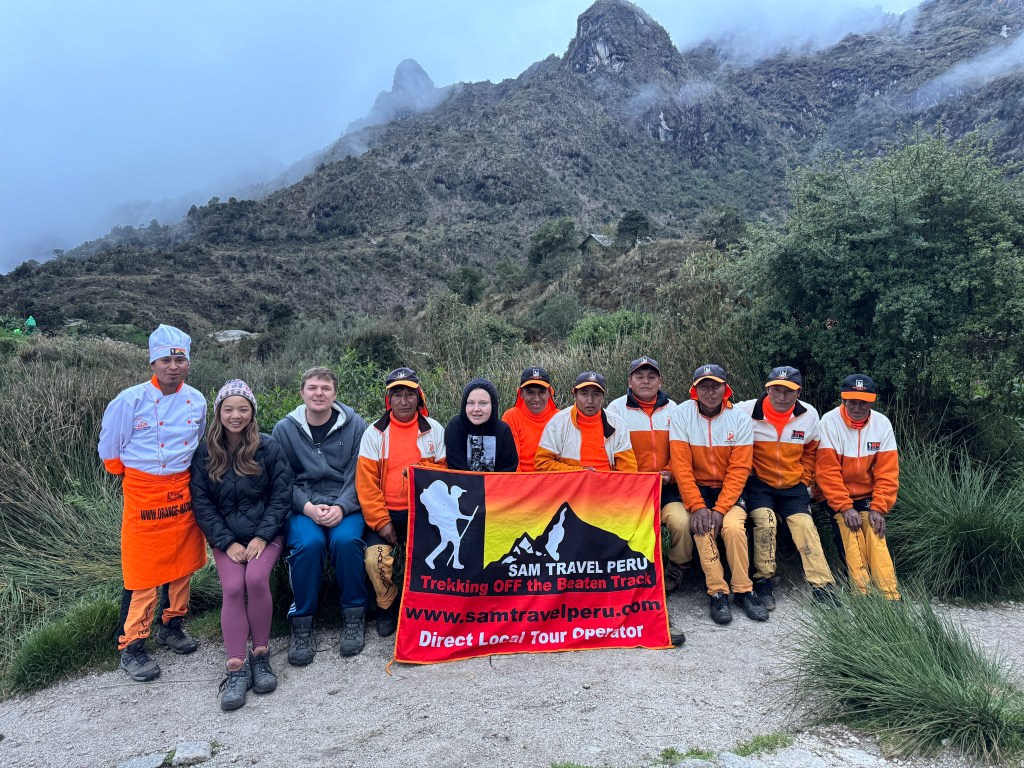
Outside the hotel where we had breakfast sat 8-10 men from the local villages in the Sacred Valley. These were to be our porters. Already we felt slightly strange: 10 people piled into the back of a van for just three hikers (we were joined by one other). More on this later.
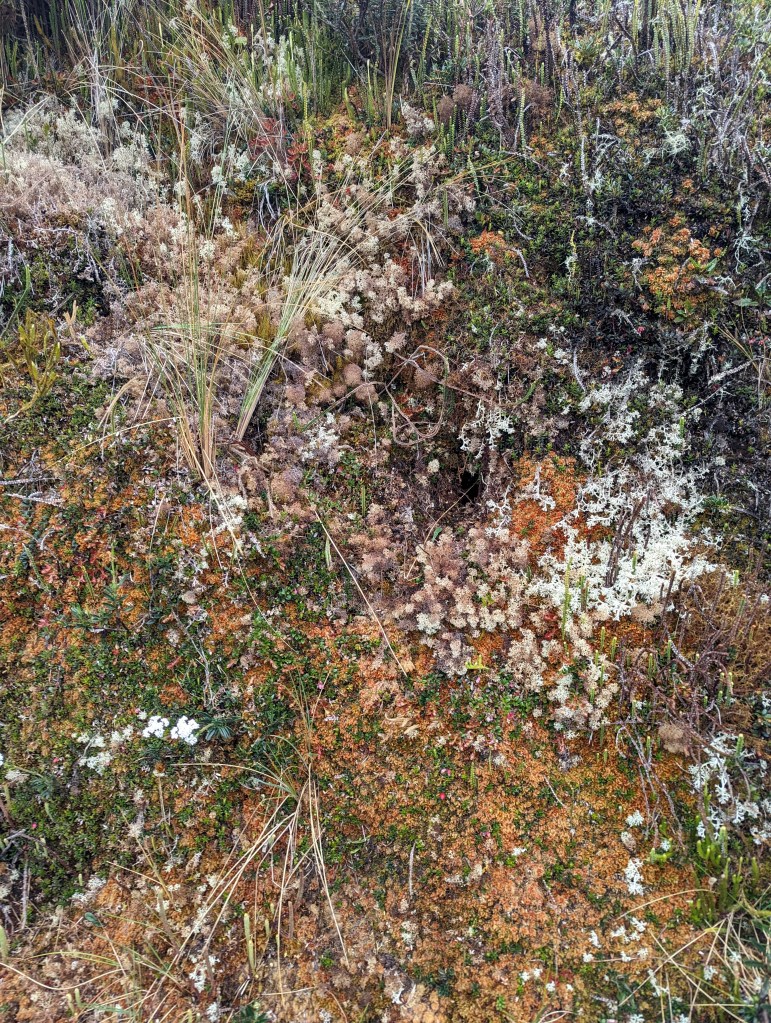
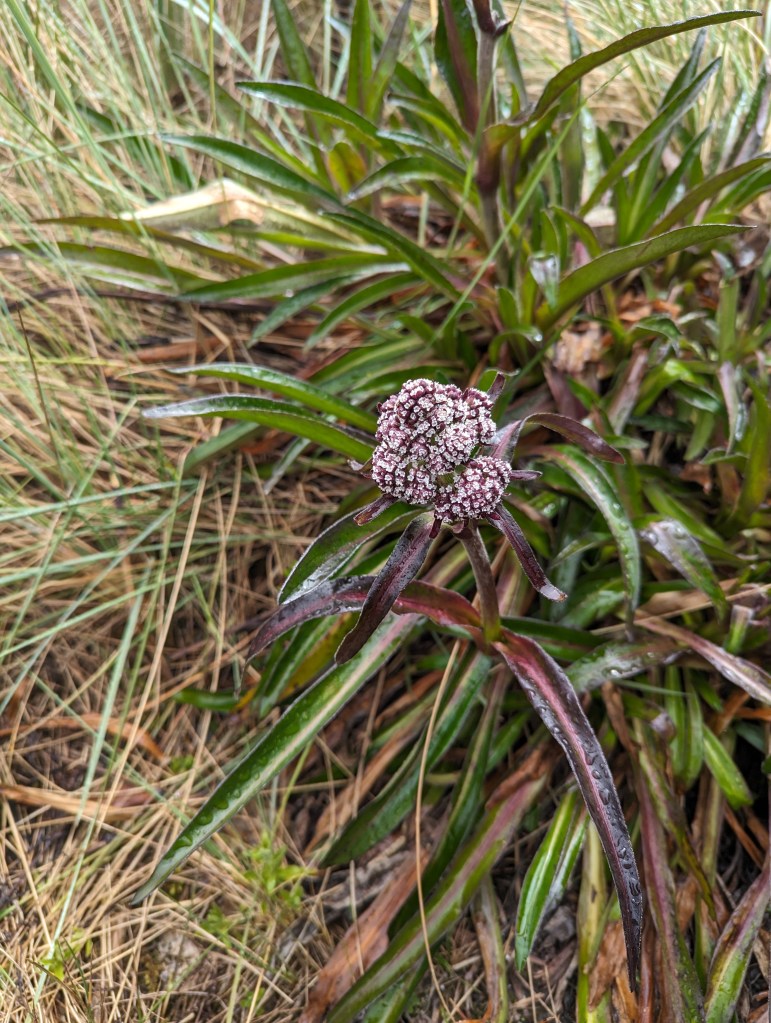
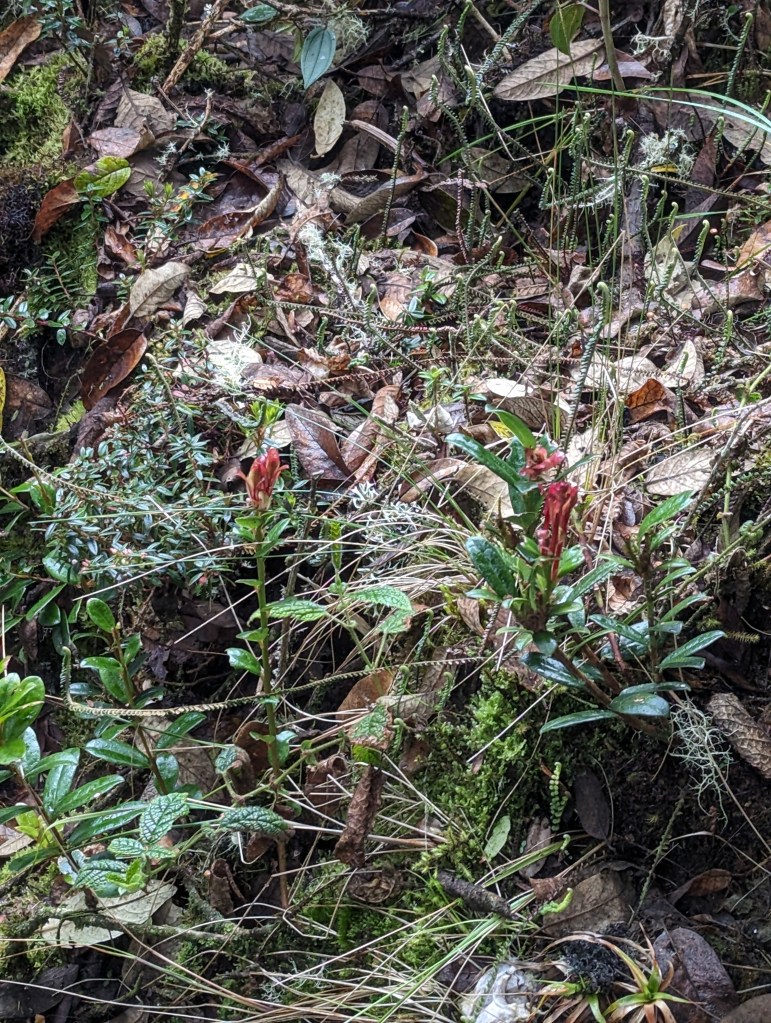
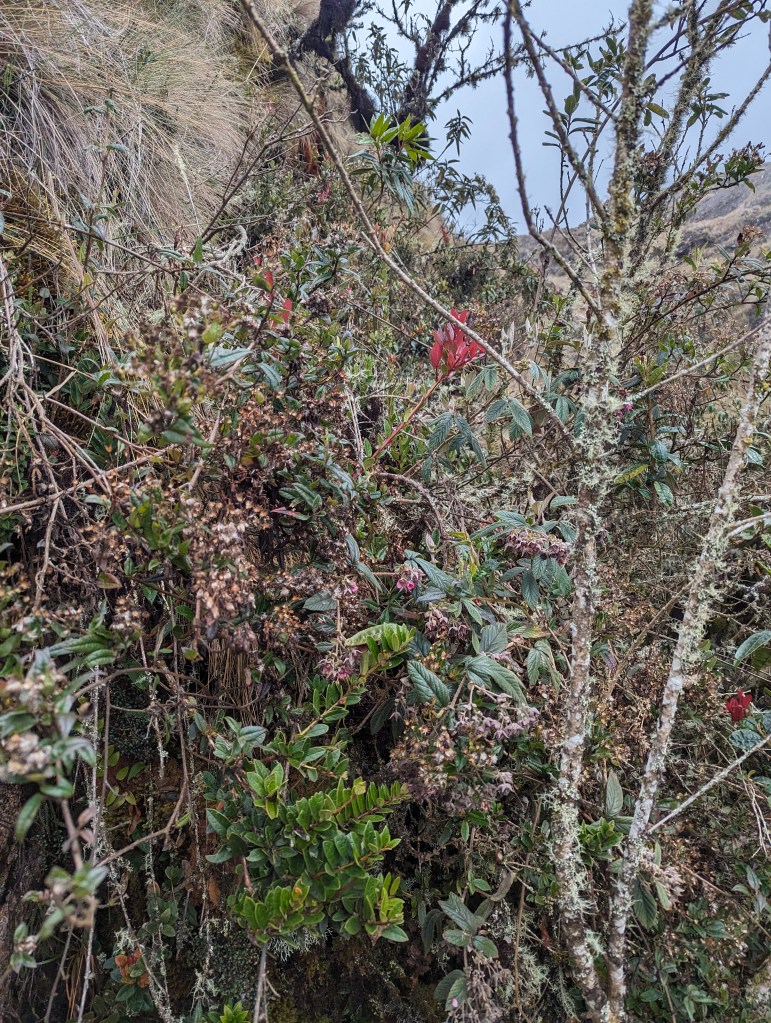
We arrived at KM. 82, the start point of this particular Inca trail (the most famous 45km stretch of a total of 40,000 throughout South America). The first day was straightforward, climbing through the dry and hot valley, reaching some low cloud forest. What strook me was how quickly the climate changed. It shouldn’t. The Incas were famous for using micro climates to experiment with growing their crops, making the most of what can be a fairly bleak and uncompromising Andean setting.
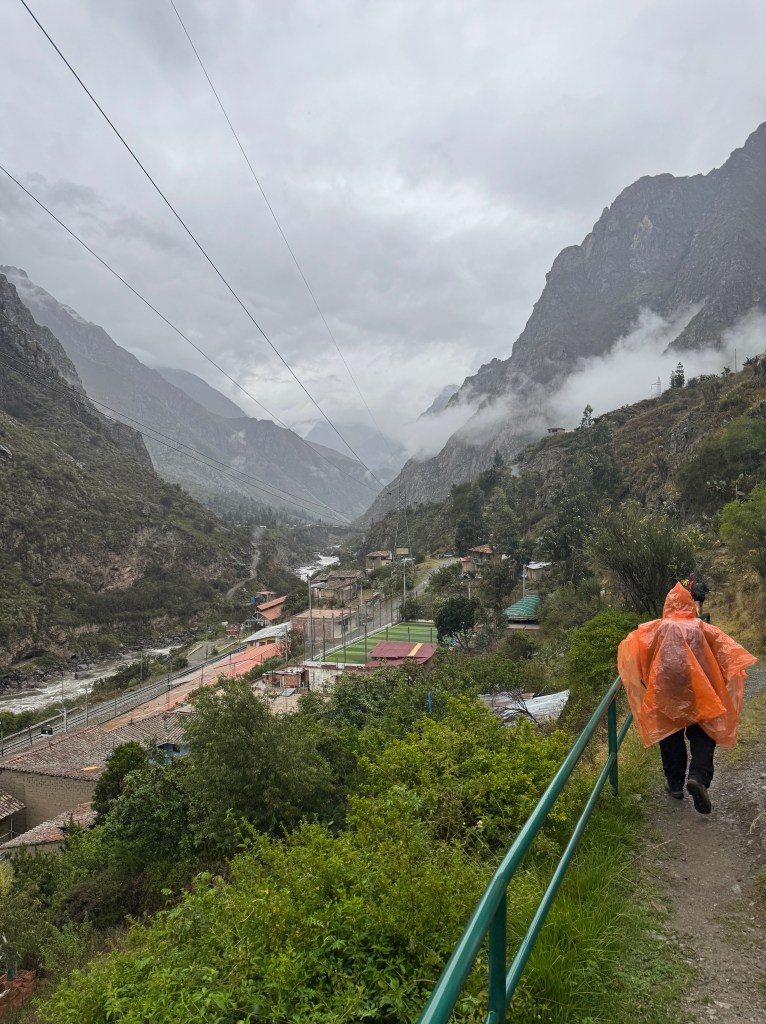
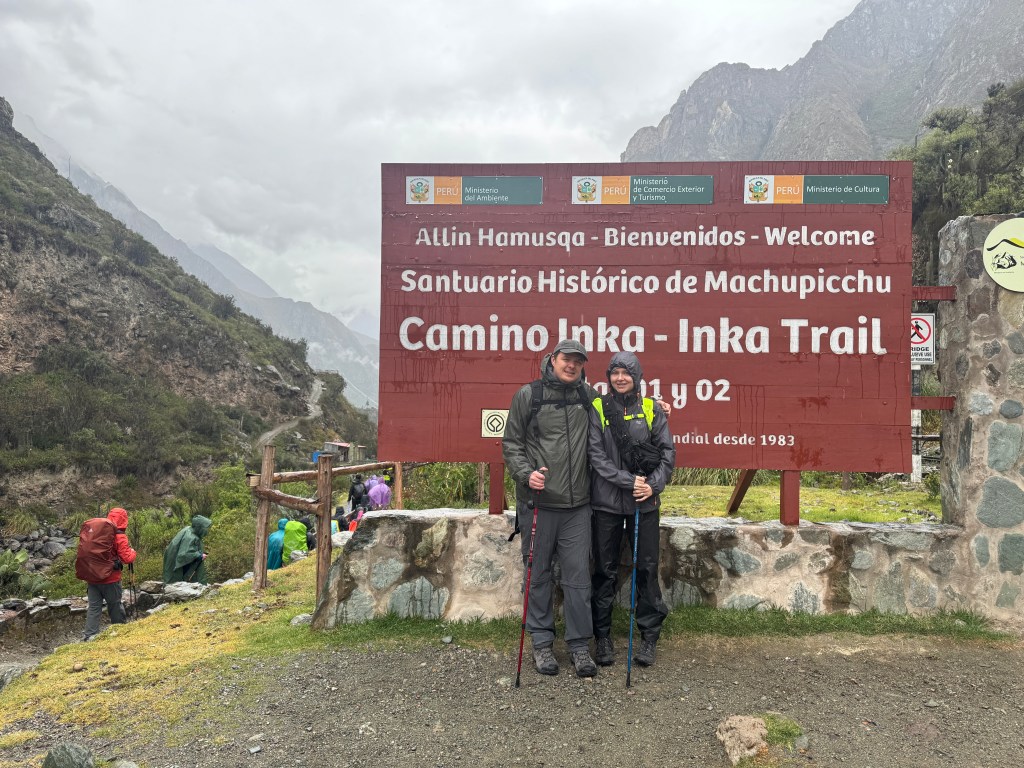
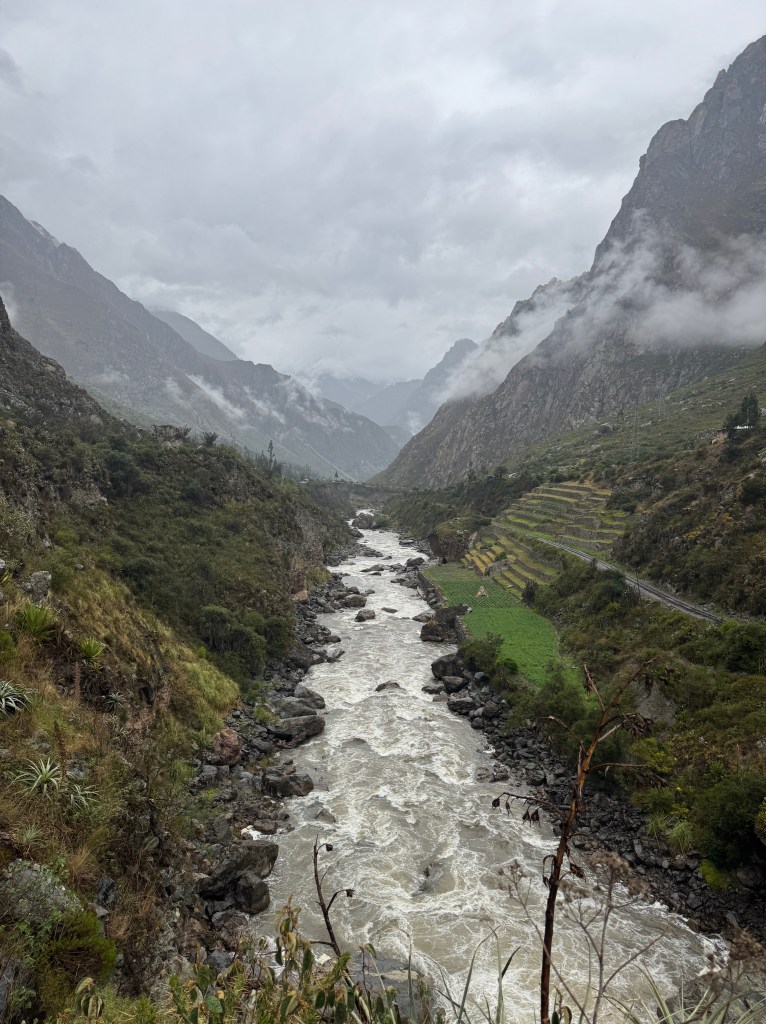

The second day was much harder. I think I got the dreaded altitude sickness as we climbed steep steps for 6 hours. G was exceptionally patient, waiting for me every couple of steps to recover and recompose. A few porters did have a chuckle when they asked ‘Que tal?’ – all I could reply was ‘Kinder Bueno’. It really does mess with you. We eventually reached the top, only to be told we had actually been quick. What slow looks like I do not know.
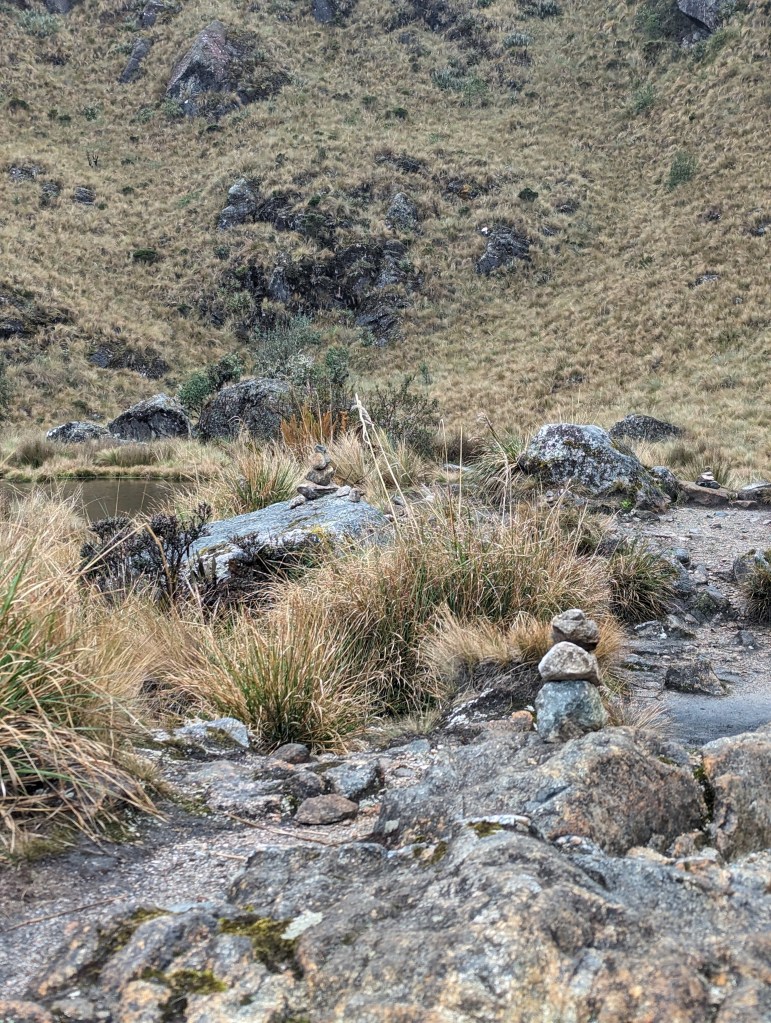
The down was much easier and the scenery was beautiful.
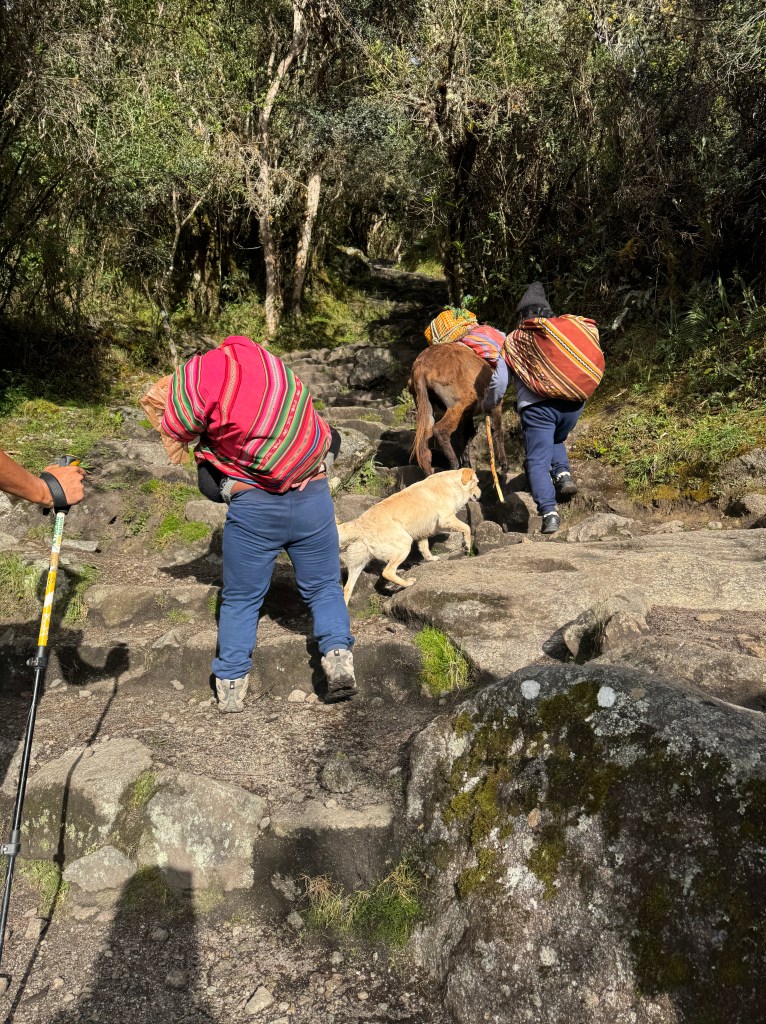
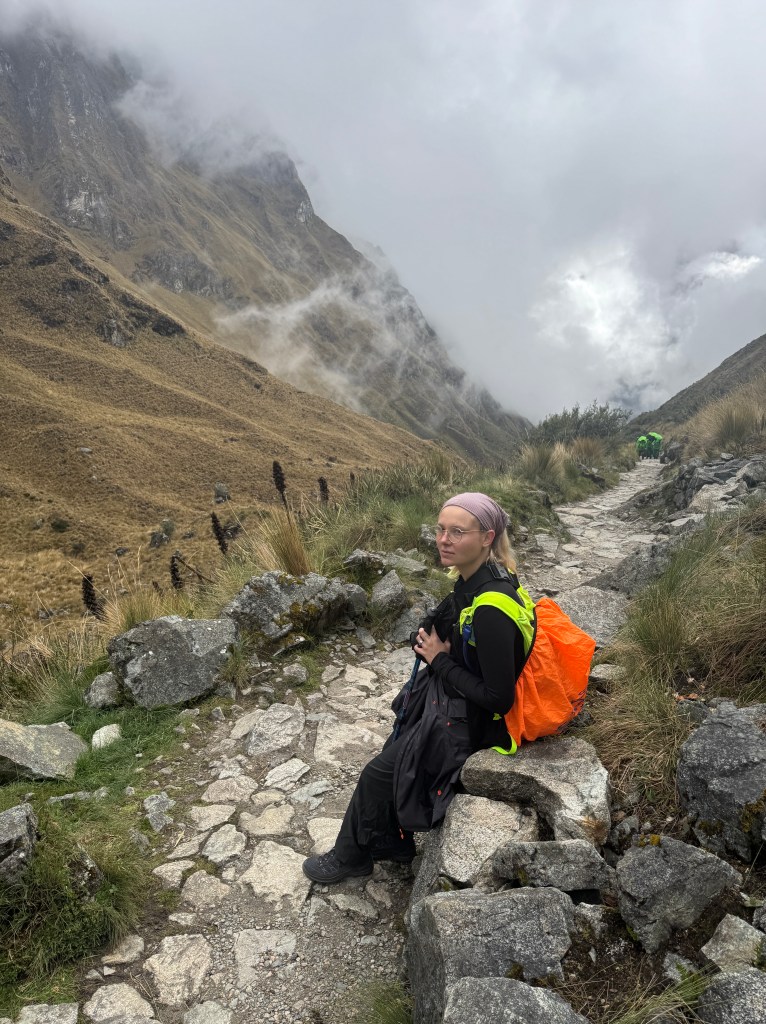
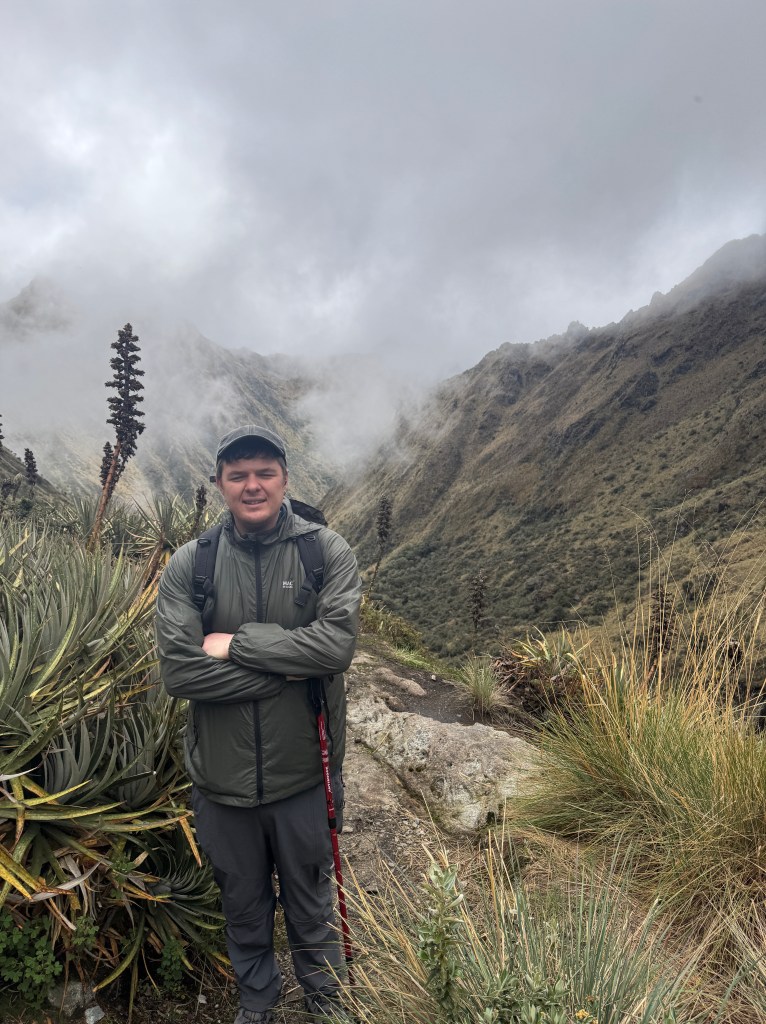
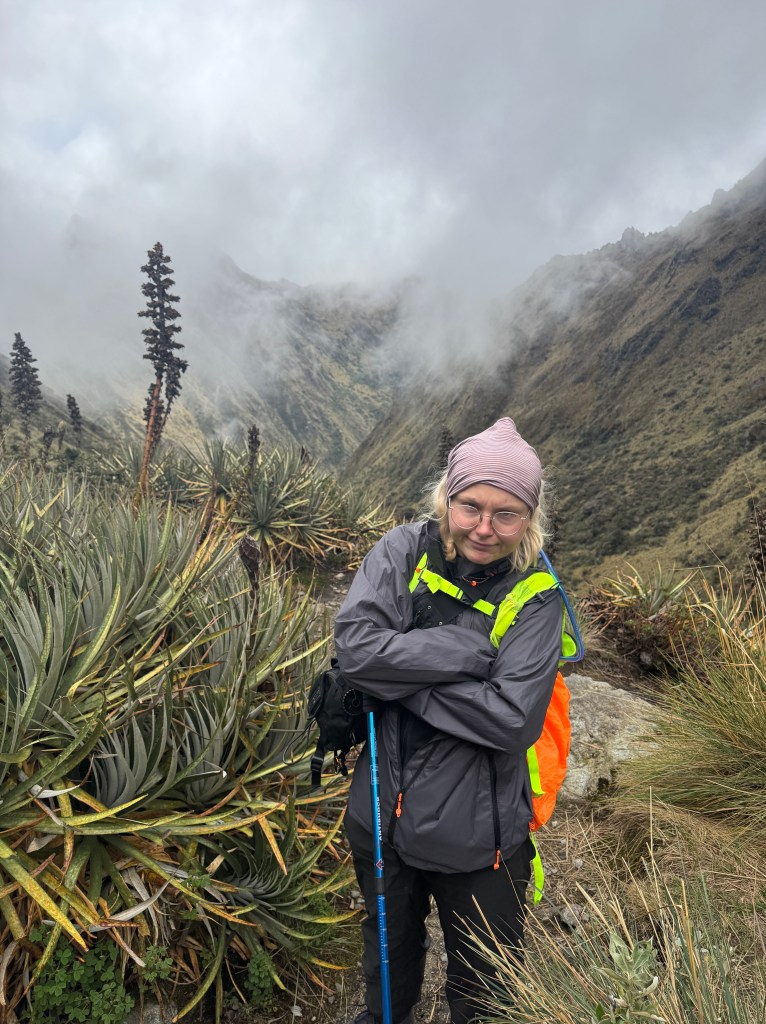
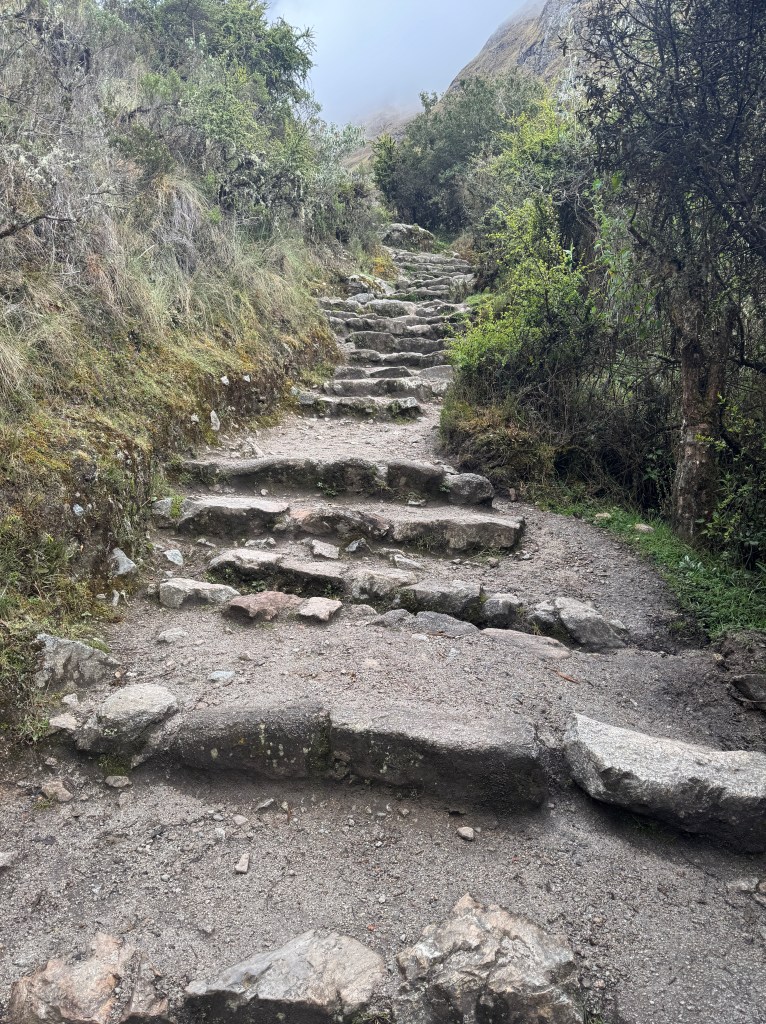
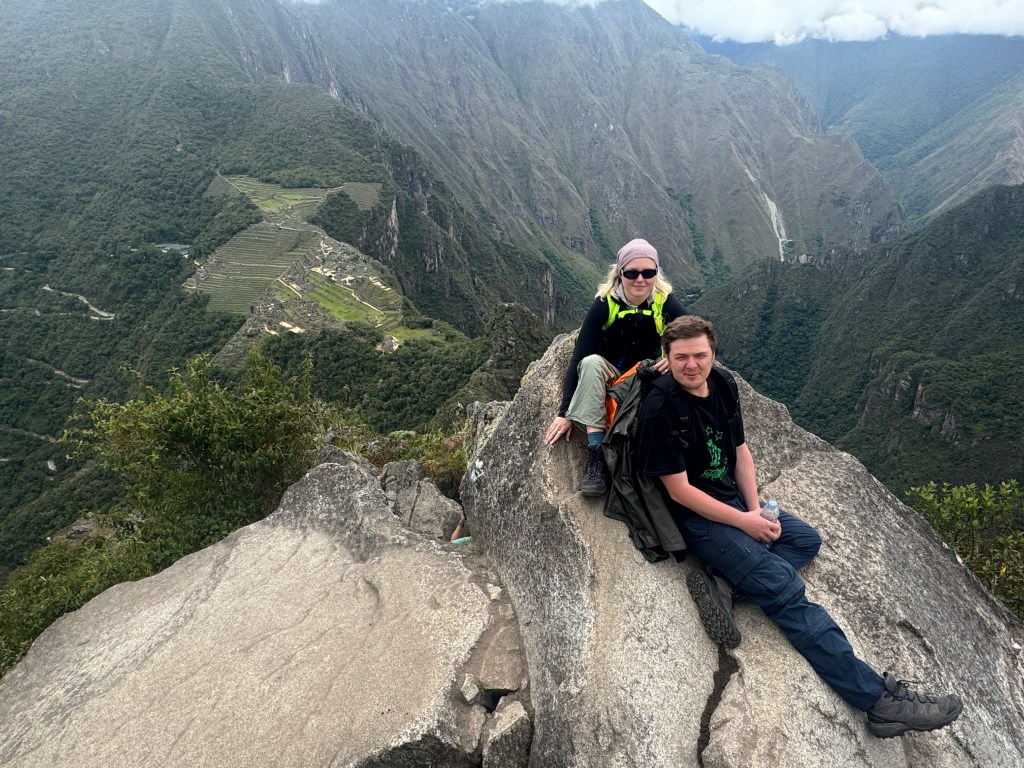
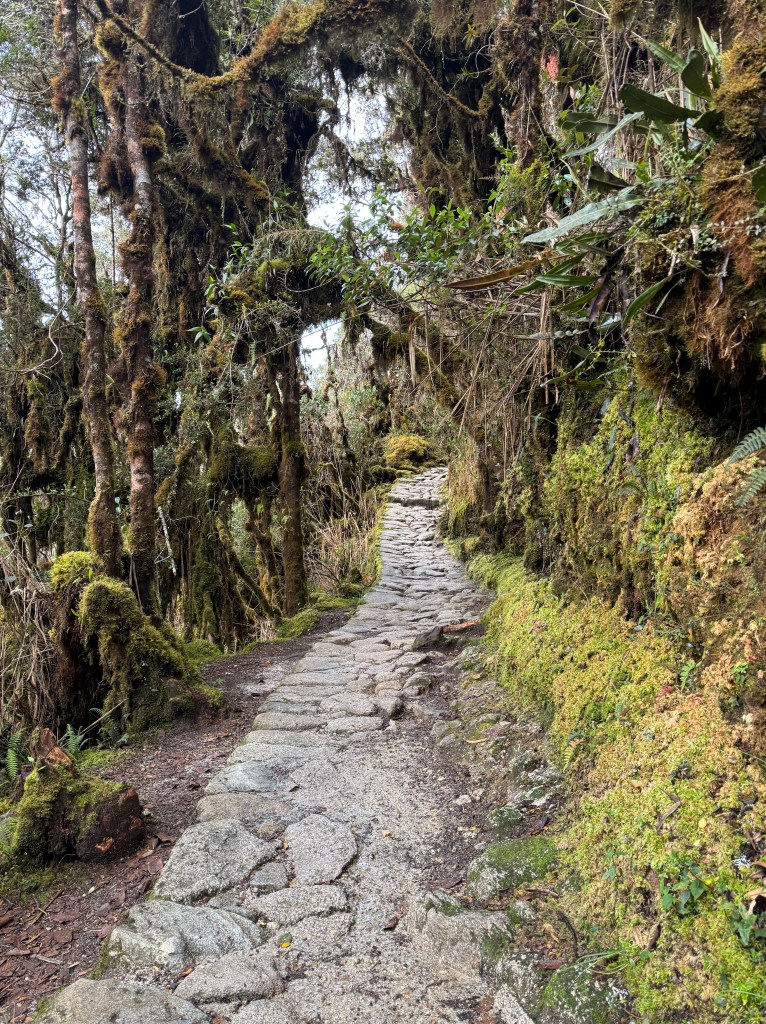
As we had walked so quickly (?!?!) we were asked whether we would like to do the four day hike in three. Unsure whether our guide – seemingly more interested in our companion than us (or indeed any of the sites we came across) – wanted to finish early or whether ‘the view will really be better in the afternoon once the cloud has cleared’, we decided to go for it. Again, the scenary was beautiful.
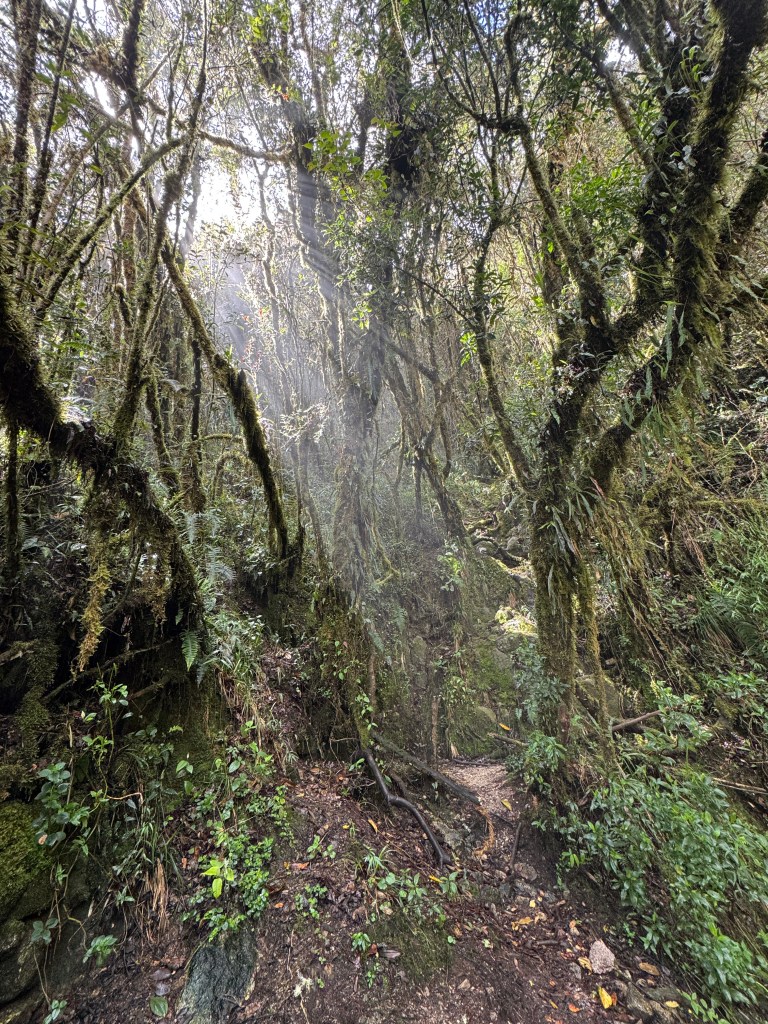

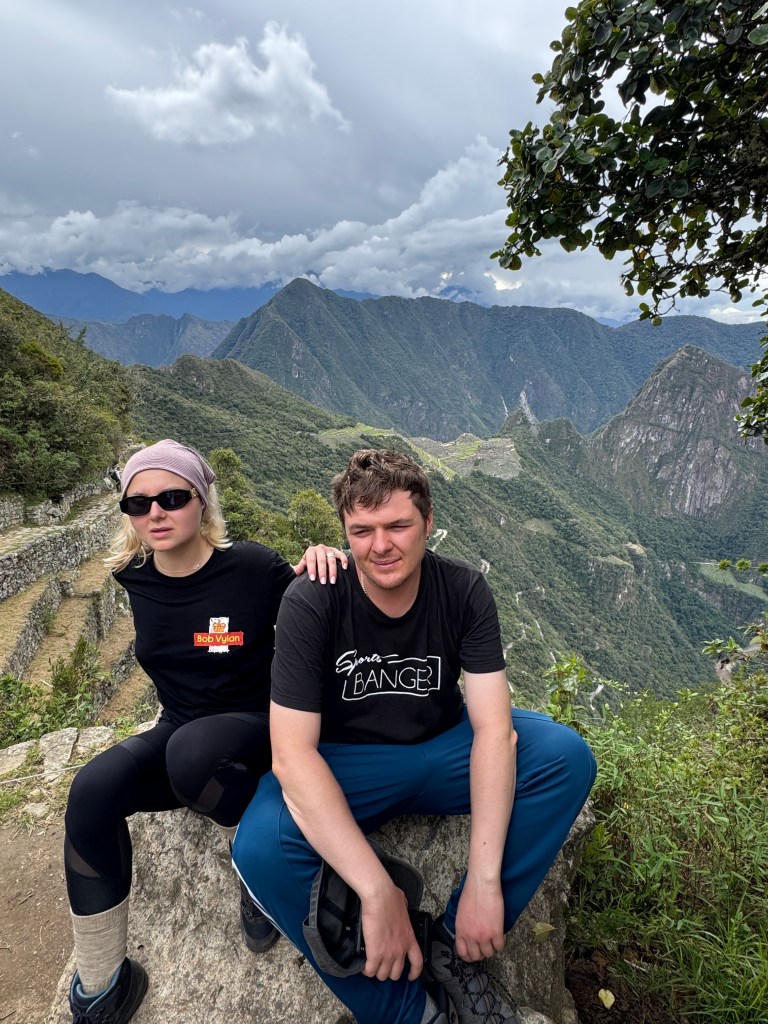
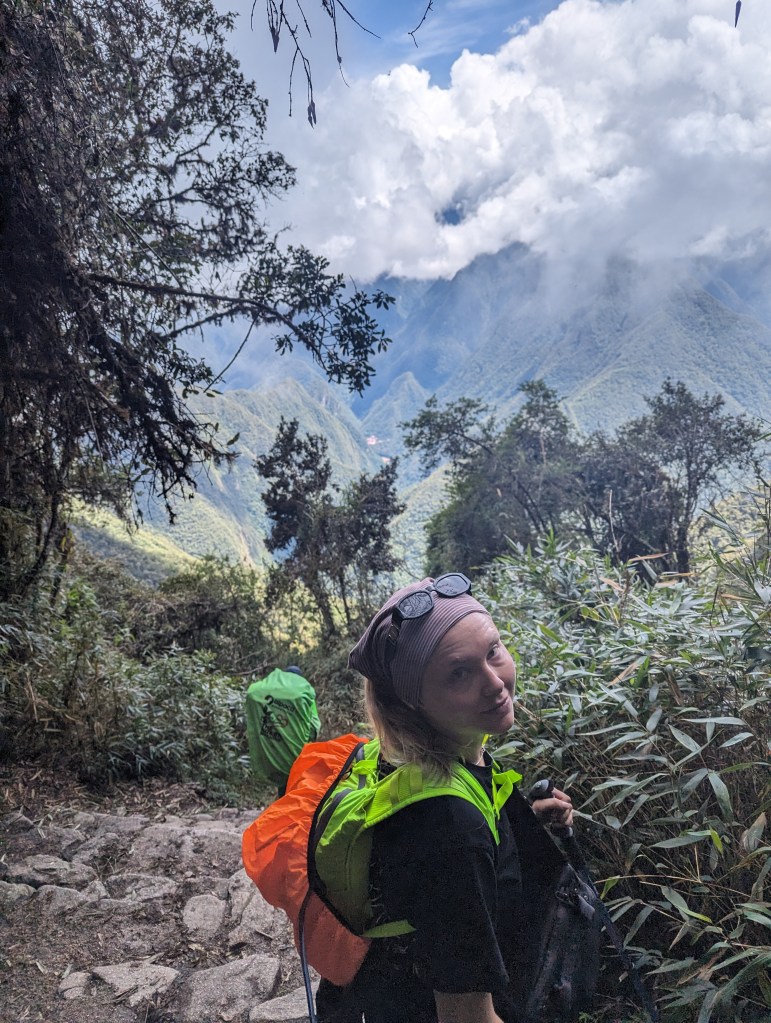
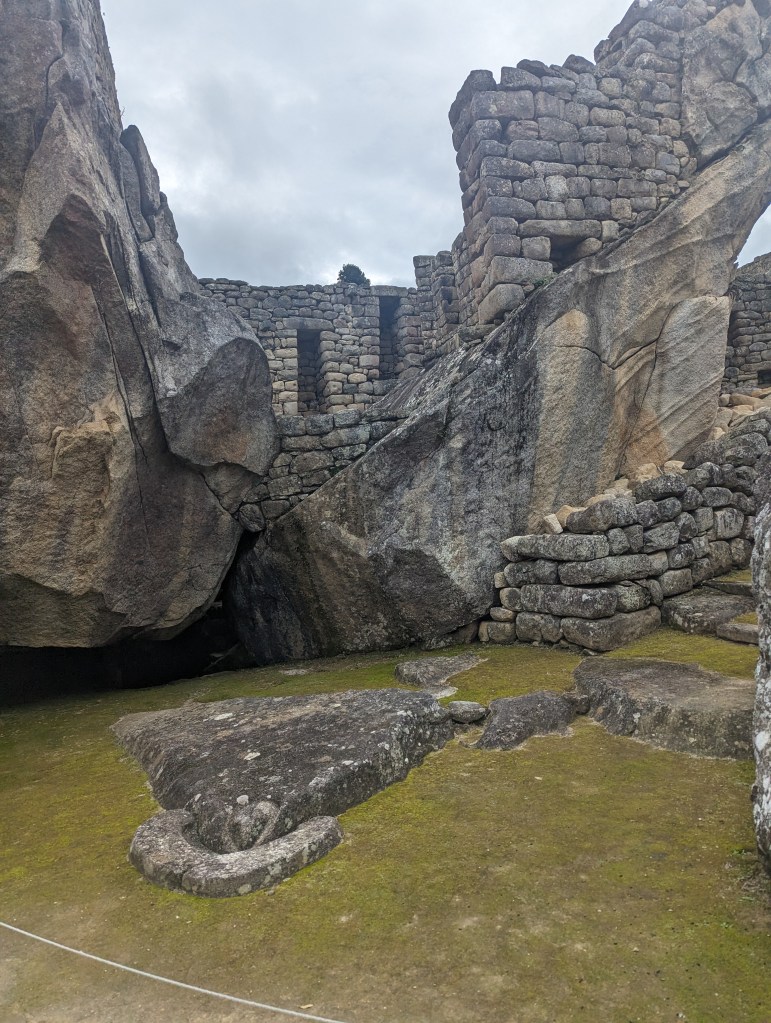
We arrived at Machu Picchu in the early afternoon. The clouds had cleared. It was beautiful. I don’t know whether it is this media age of bloggers and vloggers, or whether I had looked at my roughly cut photo too much, or whether I was nackered from the walk, but the familiarity of Machu Picchu’s ‘postcard view’ didn’t quite hit the way I expected. In my over-romanticising capacity, I had expected to have a cry or feel overwhelmed.
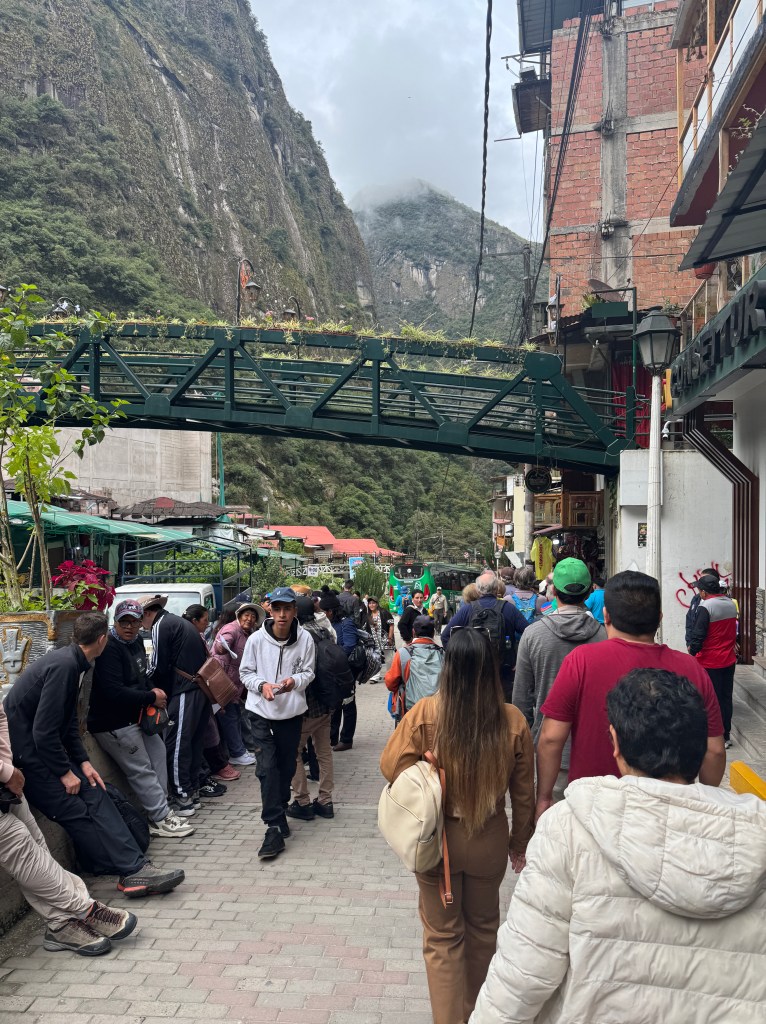
That isn’t to understate the beauty or the scale of the site. More, I found myself imagining what it would have looked like for those ‘discovering’ (of course Bingham relied on local knowledge to ‘find’ Machu Picchu). The fact that there is probably sites bigger, grander, more untouched made me romanticise being a ‘discoverer’, before being snapped back to reality by a gaggle of influencers asking us to move to take THAT ICONIC SHOT.
III: Reflections on organised treks
We really don’t want to be downers on the experience. And the caveat that the following should be read with is that the experience was amazing and we are so glad we got to do it.
But, we have a few thoughts, hopefully expressed sensitively, proportionately, and with the good faith of people who try to engage:
- First, there was a definite ‘us’ and ‘them’ that was tangible with the porters. We – the trekkers and the guide – were ‘served’ by the porters. In the meals tent, a barrier was put up between us. Of course, we are not asking to eat with the porters in a faux we’re-all-in-this-together manner. But it did feel uncomfortable.
- Second, the porters carry a huge amount of equipment. Even though recent laws have limited the amount they can carry to 25kg, this is still a huge amount. Tents, water, food, gas, were all crammed into massive duffle bags. Seeing porters – some as old as 65 – virtually sprint past us to set up for lunch again, felt uncomfortable.
- Third, the amount of food given to us was huge. This isn’t to be ungrateful – the food was delicious, cooked by a trained chef. We did think that maybe smaller meals would mean a significantly smaller haul for the porters to carry. The focus was on luxury, perhaps expectations inflated by expectant tourists. Or fuelled by capitalist differentiation in a monopolised market (only a few tour companies have the license to lead the tours; you cannot do the tour without a guide, to protect the landscape).
Of course, this is all us, feeling uncomfortable. The porters work is a supplementary income between planting and harvesting crops. Vital union work has also helped to establish a minimum wage and limit exploitation.
However is a real quandry in participating in this kind of tourism. The conditions for porters are still not great – it is clear that this is hard and unforgiving work. On average, porters work for only 5 years, before retiring.
All in all, we think it’s important to think carefully about engaging with this kind of tourism. While our pounds (or dollars) are of course welcome in communities living somewhat precariously, they do bolster a system that hasn’t quite yet escaped from exploitative practices.
 El Hablador
Leave a comment